Tonight's marathon is all about nature taking over mankind in greater numbers than anyone could ever imagine. These animals begin by starting small with birds and spiders then evolves into something greater with the end result being dinosaurs and gorillas conquering all thanks to scientific experimentation. The humans in the movies are in a thrilling race for survival as they not only attempt to fend off the species that are taking over but also trying to understand the reasoning behind such a phenomenon. It's a marathon that's purely driven by suspense, imagination, and nostalgia. All of these movies received critical acclaim upon their respective releases with some ranking among the finest summer blockbusters ever made as well as some of the most thrilling animal attack films to ever grace the screen. We have on our thrilling menu for this evening:
The Birds 1963, Arachnophobia 1990, Jurassic Park 1993, Rise Of The Planet Of The Apes 2011, and Jurassic World 2015


This feels like a very strong and fitting marathon based around the theme of survival and nature taking over. Each movie gives the audience human characters that you come to care about and hope for their survival as the animals begin to take charge of the environments surrounding them. The twist with this theme and lineup is although you find yourself rooting for the humans to survive, you can't help but also root for the species to prevail on the inside. That's one of the great unintentional feelings you get from watching films like this. Each one of these films has the same theme told throughout all the films but it's really the filmmakers vision for each film that makes them standout and ultimately become memorable. For The Birds, it's Alfred Hitchcock's masterful touch with taking simple animals such as the birds and making them one of the most terrifying animals to ever grace the screen. For Arachnophobia, it's producer Steven Spielberg teaming up with director Frank Marshall to show a dangerous species of poisonous spiders taking over the human race. For Jurassic Park it's Steven Spielberg himself showing an extinct species such as dinosaurs breaking out of their natural habitat and taking over an unopened themed park, making it's tourists become prey. For Rise Of The Planet Of The Apes, it's Rupert Wyatt showing the rise of an advanced species of apes taking over the world. For Jurassic World, the story of Jurassic Park comes full circle with the original parks creators wishes coming true in which a new park would be built and reopened to the public so they can experience the resurrection of dinosaurs before the same events with the original park begin to unfold again. It's essentially the perfect marathon with science becoming the driving force for the terror as the movies go.
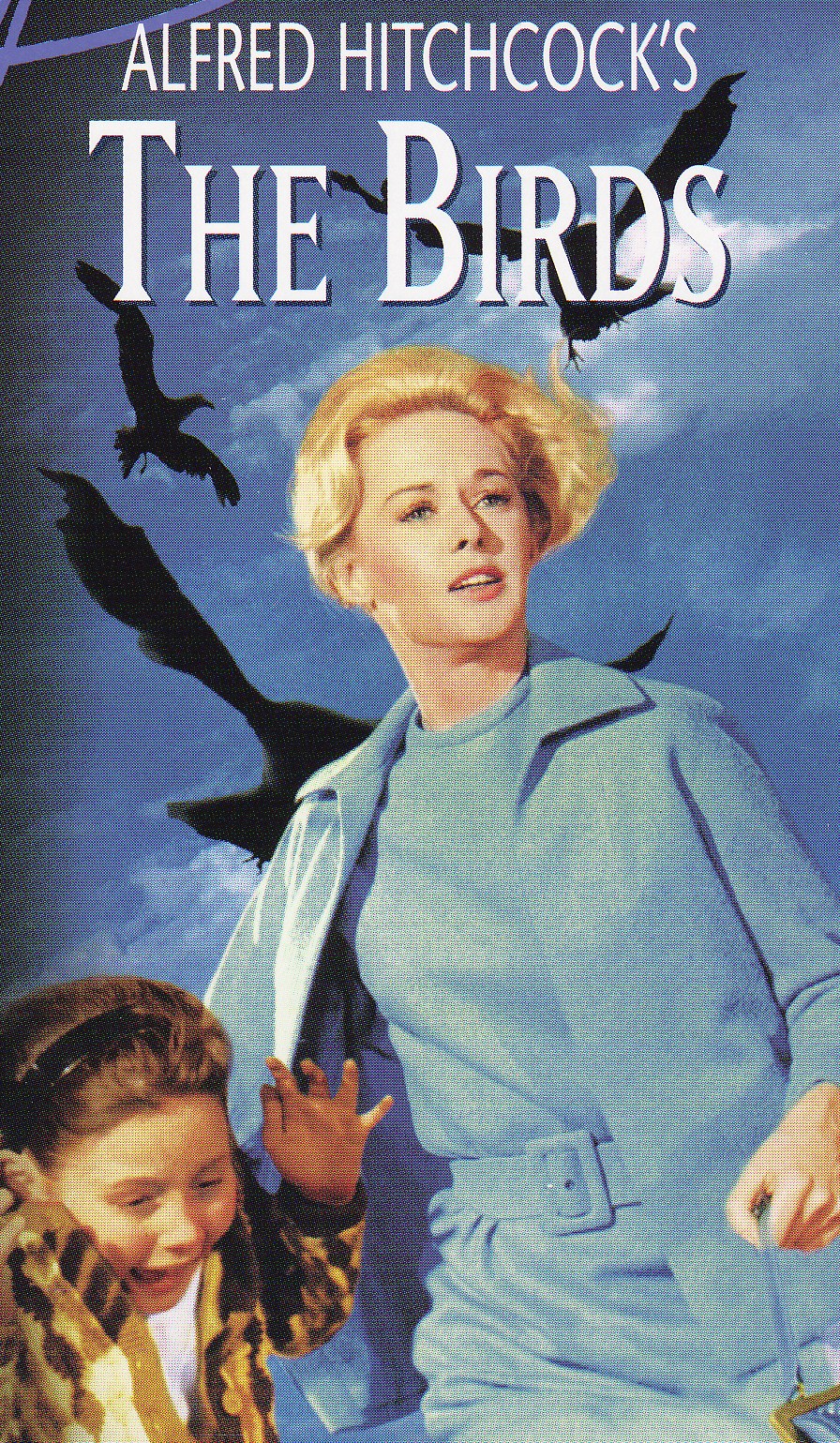
The first movie of the evening is Alfred Hitchcock's 1963 classic titled The Birds starring Rod Taylor and Tippi Hedren. The story centers around a wealthy San Francisco socialite played by Hedren, who ends up pursuing a potential lover to a small North California town. While their relationship begins to warm up, their plans become interrupted when birds from all walks of life begin to multiply in the town and slowly begin to attack people in increasing numbers with each attack becoming more vicious. The Birds was Hitchcock's first movie after the tremendous success of his 1960 thriller Psycho which opened to both universal and box office acclaim. While The Birds didn't reach the same level of success or critical acclaim as Psycho, it still left a huge impact on audiences during it's release and has become one of the definitive monster attack films in movie history. The key to the success of Psycho and The Birds as great horror films, is that they both build up the suspense and anticipation of what's going to inevitably come with both movies ending on a powerful note of loss and reflection.
The second movie of the marathon is the 1990 box office smash and thrilling horror flick titled Arachnophobia starring Jeff Daniels and John Goodman. The film centers around a species of South American killer spiders being brought to the United States while being hidden in a coffin and beginning to breed and kill people in large numbers. Frank Marshall noted at the time of this films release that he crafted the movie based off the built up of suspense seen in Alfred Hitchcock's The Birds, making Arachnophobia a worthy successor to that film in this lineup. Whereas the first film of the night centered around the rise of birds, this one centers around the rise of spiders. While Arachnophobia didn't achieve the same kind of critical success that The Birds received upon it's release, it still generated praise for paying endless tribute to Hollywood's classic creature films.
The third movie of the marathon is Steven Spielberg's defining blockbuster film of his career titled Jurassic Park starring Sam Neil, Laura Dern, Jeff Goldblum, Samuel Jackson, and Wayne Knight. Nominated for three academy awards, the story centers around a group of dinosaur experts being brought to an unopened amusement park full of extinct dinosaurs brought back to life in the form of a tour in hopes of getting an endorsement to sign off the opening of Jurassic Park. The tour goes well until the power in the theme parks begins to shut down allowing all the cloned dinosaurs to break free from their perimeters and take over the park while hunting for it's human inhabitants. Jurassic Park is a film that doesn't need much explaining in regards to it's plot because it's a universal story that's been witnessed by millions of people since it's release. The film has become one of the defining movies in both box office and pop culture history. It's generally considered one of the most thrilling movies of all time with the suspense and anticipation of the dinosaurs taking over being done in the same style as The Birds and Arachnophobia. The film featured advanced special effects for it's time and brought dinosaurs back into the public eye in a way it was never seen before. The film spawned two more sequels to it's original trilogy titled Lost World Jurassic Park and Jurassic Park lll, both of which made large sums of money but never achieved the same kind of critical acclaim or cultural impact as the first one.
The fourth movie of the marathon is the surprise summer blockbuster of 2011 titled Rise Of The Planet Of The Apes starring James Franco, John Lithgow, Tom Felton, and Andy Serkis. The story centers around a substance that helps the brain repair itself, giving rise to a super-intelligent chimp that leads an ape uprising against humanity. Rise Of The Planet Of The Apes was constructed as being a relaunching of the popular Planet Of The Apes series with the end result of it becoming a surprise summer blockbuster. The film's greatest strengths range from the stylish directing of Rupert Wyatt, a strong performance from Andy Serkis as the lead ape named Ceasar, and the high energy that brings a fresh new take into an already long running franchise. It works as a far better successor to Jurassic Park than The Lost World of Jurassic Park or Jurassic Park lll. The success of Rise Of The Planet Of The Apes spawned an bigger successful sequel in summer 2014 titled Dawn Of The Planet Of The Apes, showing the aftermath of the apes takeover.
The fifth movie of the marathon is the epic conclusion and finale to the marathon that essentially feels like the perfect sequel to Jurassic Park titled Jurassic World. With Steven Spielberg handing the directing hat over to Colin Trevorrow and taking the role as executive producer this time, Jurassic World brings a fresh new perspective to the Jurassic Park series. The storyline of JW takes place 20 years after the events of the first film and deals with a brand new park built after the events of the first movie on the same island. It carries out the intended dream of the first park with tourists traveling to the island and seeing the animals in all their glory as a working zoo. The park goes well until it's newest attraction, a genetically modified giant stealth dinosaur, escapes from containment and begins a killing spree that leads to the park being overrun by the creatures that overtook the first park. Jurassic World is hands down the one true sequel to the classic original film that actually works. It can be watched back to back with Jurassic Park and there would never be the need for any of the sequels in between ever again. It currently stands as the third most successful film in worldwide box office history behind Avatar and Titanic.
So what are these movies ultimately trying to say when you put them all together in a marathon? The message ultimately says that nature is a powerful force that should never be underestimated nor taken for granted. Sometimes the ability to bring back extinct species should not be granted because they are extinct for a reason. It is better to learn from past mistakes and move on from them instead of repeating the past which is a direct reference to the park being rebuilt and reopened in Jurassic World. Scientific experimentation can lead to the end of the human race if not handled carefully. To gene splice dangerous animals with another at random for economic gain can become very dangerous and life threatening for mankind. It's not a question of whether science can but more of a question of whether it should.
Our characters and their antagonists for this evening:


The second movie of the marathon is the 1990 box office smash and thrilling horror flick titled Arachnophobia starring Jeff Daniels and John Goodman. The film centers around a species of South American killer spiders being brought to the United States while being hidden in a coffin and beginning to breed and kill people in large numbers. Frank Marshall noted at the time of this films release that he crafted the movie based off the built up of suspense seen in Alfred Hitchcock's The Birds, making Arachnophobia a worthy successor to that film in this lineup. Whereas the first film of the night centered around the rise of birds, this one centers around the rise of spiders. While Arachnophobia didn't achieve the same kind of critical success that The Birds received upon it's release, it still generated praise for paying endless tribute to Hollywood's classic creature films.
The third movie of the marathon is Steven Spielberg's defining blockbuster film of his career titled Jurassic Park starring Sam Neil, Laura Dern, Jeff Goldblum, Samuel Jackson, and Wayne Knight. Nominated for three academy awards, the story centers around a group of dinosaur experts being brought to an unopened amusement park full of extinct dinosaurs brought back to life in the form of a tour in hopes of getting an endorsement to sign off the opening of Jurassic Park. The tour goes well until the power in the theme parks begins to shut down allowing all the cloned dinosaurs to break free from their perimeters and take over the park while hunting for it's human inhabitants. Jurassic Park is a film that doesn't need much explaining in regards to it's plot because it's a universal story that's been witnessed by millions of people since it's release. The film has become one of the defining movies in both box office and pop culture history. It's generally considered one of the most thrilling movies of all time with the suspense and anticipation of the dinosaurs taking over being done in the same style as The Birds and Arachnophobia. The film featured advanced special effects for it's time and brought dinosaurs back into the public eye in a way it was never seen before. The film spawned two more sequels to it's original trilogy titled Lost World Jurassic Park and Jurassic Park lll, both of which made large sums of money but never achieved the same kind of critical acclaim or cultural impact as the first one.
The fourth movie of the marathon is the surprise summer blockbuster of 2011 titled Rise Of The Planet Of The Apes starring James Franco, John Lithgow, Tom Felton, and Andy Serkis. The story centers around a substance that helps the brain repair itself, giving rise to a super-intelligent chimp that leads an ape uprising against humanity. Rise Of The Planet Of The Apes was constructed as being a relaunching of the popular Planet Of The Apes series with the end result of it becoming a surprise summer blockbuster. The film's greatest strengths range from the stylish directing of Rupert Wyatt, a strong performance from Andy Serkis as the lead ape named Ceasar, and the high energy that brings a fresh new take into an already long running franchise. It works as a far better successor to Jurassic Park than The Lost World of Jurassic Park or Jurassic Park lll. The success of Rise Of The Planet Of The Apes spawned an bigger successful sequel in summer 2014 titled Dawn Of The Planet Of The Apes, showing the aftermath of the apes takeover.
The fifth movie of the marathon is the epic conclusion and finale to the marathon that essentially feels like the perfect sequel to Jurassic Park titled Jurassic World. With Steven Spielberg handing the directing hat over to Colin Trevorrow and taking the role as executive producer this time, Jurassic World brings a fresh new perspective to the Jurassic Park series. The storyline of JW takes place 20 years after the events of the first film and deals with a brand new park built after the events of the first movie on the same island. It carries out the intended dream of the first park with tourists traveling to the island and seeing the animals in all their glory as a working zoo. The park goes well until it's newest attraction, a genetically modified giant stealth dinosaur, escapes from containment and begins a killing spree that leads to the park being overrun by the creatures that overtook the first park. Jurassic World is hands down the one true sequel to the classic original film that actually works. It can be watched back to back with Jurassic Park and there would never be the need for any of the sequels in between ever again. It currently stands as the third most successful film in worldwide box office history behind Avatar and Titanic.
So what are these movies ultimately trying to say when you put them all together in a marathon? The message ultimately says that nature is a powerful force that should never be underestimated nor taken for granted. Sometimes the ability to bring back extinct species should not be granted because they are extinct for a reason. It is better to learn from past mistakes and move on from them instead of repeating the past which is a direct reference to the park being rebuilt and reopened in Jurassic World. Scientific experimentation can lead to the end of the human race if not handled carefully. To gene splice dangerous animals with another at random for economic gain can become very dangerous and life threatening for mankind. It's not a question of whether science can but more of a question of whether it should.
Our characters and their antagonists for this evening: