Sunday, December 22, 2019

Frozen ll Is A Darker And More Mature Film Than It's Predecessor That Satisfies Audiences


      One of the winter seasons most anticipated films has arrived on the big screen with the much anticipated sequel to Pixar's 2013 smash hit Frozen titled Frozen ll. The first Frozen became a huge hit with audiences through a combination of its impressive animation, strong characters, and a story that pushed themes pertaining to the empowering of young women, along with iconic musical cues that instantly became engraved in pop culture with the audience hearing the song Let It Go a million times since the first films release much to their annoyance. Regardless of whether audiences enjoyed Frozen or not (There's been a growing consensus since it's release that while good, the film is a bit overrated), it stands as being one of Disney's biggest hits with the greenlighting of a sequel being inevitable. Fast-forward six years after the release of the first film, Frozen ll arrives on the big screen to continue the story of siblings Anna and Elsa, with the latter continuing to make the case that she'd be an excellent addition in the X-Men universe. The sequel to Frozen presents a darker and more mature story with the established characters, while giving audiences more of what they loved about the previous film. The end result is a genuinely satisfying and worthy sequel to the original, that feels like an improvement over the first film.


      The plot for Frozen ll takes place three years after the events of the first film with sisters Anna, Elsa, and friends Kristoff, Olaf, and Sven (Voiced to perfection by Kristen Bell, Idina Menzel, Jonathan Groff, and Josh Gad) going on another adventure in search for the source to Elsa's magical powers to save their kindgom when she begins hearing voices, calling for her to uncover the truth about the enchanted forest. Frozen ll's plot manages to appropriately position itself as being a natural follow-up to the first film, with a logical progression of the main characters. The first Frozen worked very well in regards to building up the main characters of Anna and Elsa, along with creating an appealing side characters such as the fun-spirited and goofy snowman Olaf, and Anna's lover Kristoff. The sibling characters were given a tragic backstory surrounding the loss of their parents, that made them sympathetic to audiences with Elsa's characters powers being a clever twist on the story. Whereas the first movie showed Elsa's special abilities along with her struggling to control her powers (She has moments where she unintentionally uses them or sets her kingdom in winter mode), the sequel moves the story further by having her character search for the origin of her powers, as well as answering questions that the audience had with the first one in regards to how she got her powers. Frozen ll also explores the family tree of Elsa and Anna with their grandfathers backstory being developed along with his ties to the dam in the story. The film maintains the spirit, the charm, and the heart of the first film with the characters being appealing once again (It's hard for audiences to find a reason not to care about Anna and Elsa as their sibling relationship feels real and relatable to audiences), along with the story being strong enough to give the sequel a deeper emotional complex than the first, while further exploring the characters kingdom.


       As far as the voice acting performances go, the cast does an equally great job of fitting back into their roles and bringing the same kind of energy and enthusiasm they brought to their characters previously. Kristen Bell is terrific as Anna, bringing a likable performance and humility to her part. She does a very good job in regards to looking after her sister in an overprotective fashion along with being supportive, but also not wanting her to walk into danger with her powers. Irina Menzel shines once again as Elsa, working off a script which gives her character deeper development that includes her character traveling to a magical land, meeting magical tribes of characters, and helping to bring together a divided group of people. One of the things that makes Elsa's character a striking and appealing female Disney character, is her independence in which she doesn't need a male character to help complete her character arc. Jonathan Geoff does well once again playing Kristoff, ice harvester and boyfriend of Anna, with his character stressing over the perfect way to propose to Anna, whose completely clueless about his intentions given she's completely distracted looking after her sister. Josh Gad once again steals the show as the magic snowman Olaf created by Elsa's magical powers. He provides the film with both humor and charm, while routinely commenting about the nature of change. Other noteworthy supporting roles are Sterling K. Brown as Mattias, leader of a group of Adrendelle soldiers trapped in the enchanted Forest for over thirty years, Evan Rachel Wood as Elsa and Anna's mother Iduna, and Alfred Molina as their father Agnarr. As a whole, the cast is a strong one that goes above and beyond in regards to bringing their characters to life on the big screen along with giving them distinct and memorable personalities when they're on the screen. The performances from the main cast go a long way in terms of giving the film a sizable dose of heart, as well as a feeling of sincerity to the story. Like the filmmakers, the voice actors take both pride and care in terms of bringing their characters to the big screen, particularly the returning ones with the newer side characters being interesting and fun additions to the cast.


      In terms of the films directing, directors Chris Buck and Jennifer Lee return to the directing chair to continue the story they began six years prior along with expanding on the enchanting world of Arendelle. Buck and Lee maintain much of the snowy and winter style of the first movie while creating a more mysterious and darker atmosphere, that possesses an adventure type feel to it. On a visual note, the films animation is scene-stealing and stunning to watch, making it one of Disney's most groundbreaking breakthroughs with visuals that will impress viewers of any age group. The cinematography, art-set decoration, and costume design all go hand in hand with complimenting the films beautiful animation with Elsa's character looking more amazing the second time around. The pacing of the film feels perfect as it keeps the story moving even when the characters split up during the middle portion of the story in a fashion similar to that of a Lord Of The Rings/Hobbit story arc. The films soundtrack is once again one of the films main highlights with the main difference being the sequel utilizes the music as a tool in regards to pushing the story forward rather than the previous film surrounding it's plot around key songs in that film such as Let It Go. Although when comparing both soundtracks, there isn't a song in the sequel that matches the level of impact that one had on audiences the first time. However, the songs as well as the score all remain solid and help drive both the characters and story arc with the film properly prioritizing them, and working each piece of music effectively into the films narrative. On a note regarding the films musical aspect, the sequel feels like the directors took notice of what worked and as well as what didn't about the first film and improved upon those issues here, with the music having the appropriate balance with the rest of the story.


      The films script and story by Jennifer Lee, Chris Buck, Kristen Anderson Lopez, Marc Smith, and Robert Lopez is noteworthy in regards to giving the characters an interesting enough story to continue their adventures while maintaining the audiences interest. Compared to the first film, the sequel has more of an adventure style feel to it with the main plot revolving around the characters of Elsa. The sequel gives all the main characters from the first movie their individual character subplots, which in some cases has them going their own separate ways in the story for most of the film. While that might come across as challenging in terms of keeping the narrative even, the writers and directors maintain a firm grip on the story while giving it a deeper emotional core. The sequel maintains themes that make it's story connect well with the first Frozen such as friendship, family, respect, and trust with the sequel further exploring ones pertaining to spirits, indigenous people, one's maturity such as Elsa learning to cope with her powers, adventure, responsibility which once again revolves around Elsa looking after her kingdom while controlling her powers, feeling out of place, grief, the death of loved ones, and transformation. One of the key themes regarding the plot for the sequel is isolation as Elsa's character ends up being split from the rest of the group upon realizing that she may be able to discover the truth behind the origin of her powers. It also serves as a device for the rest of the crew becoming separated with each character having their own individual subplots in the story such as Kristoff trying to find a way to propose to Anna, with the film showing several goofy scenarios where he attempts to find the perfect way to do it. Although both movies place the siblings as the main characters of the story, the main focus has always been aimed towards Elsa's character with Anna being the supportive and overprotective sister that looks after her. Elsa's character is the heart of the story as she embodies much of the series personal themes regarding sibling loyalty, friendship, being different from everyone else, maturity, discovering ones self, and wanting acceptance. At the core of Frozen's story, the films are about a pair of sisters struggling to have each others back no matter what cause they're all they got. Some of the subplots come across as feeling forced or convenient such as Kristoff planning out his proposal to Anna being such a huge part of his characters arc in the first part of the film, then disappears in the second half only to be brought back up at the end of the movie to close the arc between him and Anna. As fun and entertaining as Olaf comes across as being, his character feels overused a bit at times in terms of driving the humor of the film, definitely moreso than the previous film. The origins of Elsa and Anna's grandfather feels vague and underdeveloped despite playing a major part in the story. What could've easily ended up being a huge mess with the narrative being split by the side adventures with the main characters, manages to stay well-balanced without the narrative being disrupted for the most part. What Frozen ll does well as a sequel to the first movie, is provide a continuation of the story that feels like a natural evolution of the characters and concepts the first movie threw at audiences, while maintaining the heart and spirit of it's predecessor.


      Will everyone like Frozen ll? No, some will take issue with the films darker and more mature tone, as well as feeling that the film isn't quite as fresh as the first. They may also feel that the music isn't as hard-hitting not as iconic as the previous films soundtrack (The first films music is great but has been overplayed to death since it's release). For those who wanted a deeper and more emotional story with the sequel with a more straight-forward narrative, Frozen ll manages to be a sequel that improves it's predecessor, along with giving fans more of what they loved about the previous films. Regardless of whether one thinks the first film is better or vice versa, both movies compliment each other very well with how well their stories connect. The sequel carries enough action, humor, heart, and emotion to make young and old fans of the original care as well as appreciate the films message, which basically says that one shouldn't give up nor lose hope and that both emotions and talents are magic, that can generate incredible beauty which is seen with the character of Elsa. The Frozen movies carry with them empowering messages for young children that says being different is not a bad thing, and that it's ok to want to build a snowman. For those who've been waiting in anticipation to see the story of Frozen continue, Frozen ll doesn't disappoint and proves to be worth the wait, though it will have fans debating on which is the stronger film of the two. Definitely stands as being one of the stronger films released this winter, as well as one of the best animated films of the year that's worthy of a Best Animated Film Oscar nomination in that category. Fans will be left waiting for the release of Frozen lll with great interest. Here's hoping they continue to expand on these characters along with their visually striking and mesmerizing world as the filmmakers did a really good job of expanding the universe with the sequels storyline.

Final Verdict: For Disney fans as well as fans of the first Frozen film, Frozen ll is a must see.

Tuesday, December 3, 2019

Disney's Live-Action Lady And The Tramp Gets Right What Jon Favreau's The Lion King Got Wrong

     Image result for lady and the tramp 2019 movie poster

      The 2019 movie season has been both a hit and miss for Disney live-action remakes of their classic animated counterparts. Tim Burton's Dumbo opened to disappointing box office numbers and mixed reviews despite being one of his strongest works in years. Guy Ritchie's Aladdin also received mixed reviews from critics despite receiving a much higher audience score on Rotten Tomatoes, as well as making a huge splash at the box office grossing over $1 Billion domestically. The same trend continued with Jon Favreau's The Lion King, which also raked in a billion dollars worldwide but largely disappointed in terms of being a worthy remake to its classic animated predecessor. Whereas Tim Burton and Guy Ritchie added different elements to their live-action films, they made them effective in terms of reintroducing their classic stories to today's generation of audiences. While The Lion King looked appealing on a visual scale, it lacked the heart and soul of the original that made it an animated classic. With Lady And The Tramp, the trend reverses as the new live-action remake is not only a worthy successor to the original, but possesses the heart and soul that The Lion King lacked.


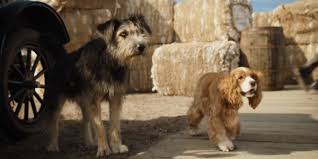
      Based on Walt Disney's 1955 animated film of the same name and the first of the recent live-action remakes to not receive a theatrical release with it being released on Disney+, Lady And The Tramp's story virtually remains the same with a sheltered upper-middle-class American cocker spaniel named Lady, and a street-smart, stray schnauzer called the Tramp, embark on an adventure that opens their eyes up to the world. The live-action version of Lady And The Tramp does the complete opposite of Jon Favreau's The Lion King remake. Rather than trying to do a scene by scene remake of the classic original. the new version of Lady And The Tramp manages to be a faithful live-action adaptation of the original with the plot possessing a few key differences, that differentiate the remake from the original such as the audience being able to see the faces of Lady's owners in the film and getting to know them on a personal level, the changing of the "Siamese Cat Song" giving it an updated version that will either be a hit or miss with audiences, Lady owner's having a newborn girl instead of a boy, and Aunt Sarah being unfavorable with the immediate family in the newer version. The changes that the new film brings to the story are ones that are welcomed and effective such as Lady And the Tramp taking a trip together on a ferry boat as well as the Tramp getting a tragic backstory in the new version, making his character sympathetic to audiences. The new Lady And The Tramp is a sweet and charming remake of the original film, that maintains to retain both its heart and spirit along with carrying strong voice acting performances from Thor Valkyrie and Creed's Tessa Thompson and Justin Theroux, the films likable human cast, and the appeal of the films live-action dogs. Lady And The Tramp welcomes you into its world and wildly succeeds in terms of charming the pants off its audience, while restoring faith that live-action Disney remakes can actually work if done right.


      One of the key elements that makes the remake work so well are both the performances from the animals as well as the human counterparts. In terms of voice acting roles, Tessa Thompson and Justin Theroux work beautifully together and demonstrate strong chemistry, that makes both their characters and relationship appealing to audiences. Thompson is terrific as Lady, bringing both warmth and charm to her role. The audience not only instantly becomes connected with her character, but empathize with her once she realizes that she's taking a backseat in the family to their newborn child. Justin Theroux is equally good playing the Tramp with him perfectly conveying his characters tragic past as well as his cynical and carefree nature. Sam Elliot shines in a surprising voice role as the older neighborhood dog Trusty, with Ashley Jensen adding to the charm with her role as Jock. Other strong voice acting roles include Janelle Monae as Peg, Benedict Wong as Bull, and Clancy Brown as Isaac. As far as the human performances go, Thomas Mann and Kiersey Clemons both impress as Jim Dear and Darling. Despite the film not giving their characters a significant amount of screen time in comparison to the main leads, both actors breathe life into their roles, giving Lady's owners a warm and welcoming presence. Yvette Nicole Brown delivers a notable performance as Aunt Sarah, making the audience dislike her character from the start, especially with her treatment of Lady. Adrian Martinez is effective as Elliot, the dogcatcher who pursues the Tramp throughout the film. The cast does a great job of bringing their characters to life along with bringing some of the original films magic over to the remake. The talent of the cast beautifully compliments the films solid directing and writing, giving the impression that a great deal of care went into retelling this story for modern audiences.


      In terms of the films directing, Charlie Bean does a fine job of bringing the story to life in live-action form. Bean gives the film a beautiful aesthetic look to it with the film looking stunning for its 1900 timeline in Savannah Georgia. The films CGI for the most part is solid, though there's times where it come across as shaky, breaking from the realism of seeing live animals on the big screen. The story is relatively steady in terms of pacing with the main characters all receiving their share of on screen development, along with Lady and the Tramps relationship feeling both natural and believable. The iconic Spaghetti scene from the original film is well-directed and will please fans of the original as it packs a powerful nostalgic punch with the exact shot of the dogs touching lips when eating the Spaghetti being redone in live-action form. In regards to the films historical accuracy regarding Lady's owners being an interracial couple in the 1900's with them openly publicizing their relationship, Bean isn't concerned about being true to history as the film is mean't to be an enchanting fairy tale, that invites audiences into a world with a different look to it that's void of many of the issues that today's world carries (Or that particular time period for that matter). While the added subplot involving the main owners interracial romance may take some audiences out of the movie due to the lack of realism given the films time period (Anyone criticizing the film for that element in terms of realism, but excuse the fact that the film is full of talking animals, is looking at the movie with a different agenda), it does nothing to harm the rest of the film which is extremely well-crafted and carries with it a large dose of heart. In terms of directing, Bean aims for young children with this movie and creates a live-action world, that instantly draws them in and makes them emotionally invested in these characters and story. The films soundtrack by Joseph Trapanese works very well given that Trapanese was faced with the task of writing new music to fit the story while incorporating pieces of the original score by Oliver Wallace. Considering how demanding of a task that was, he succeeds in pulling it off as well as helping to bring the story to life and keeping it timeless.


      The films screenplay by Andrew BuJalski and Kari Granlund does a solid job of updating the original story while maintaining the same narrative structure. The remake feels like a traditional Disney movie with some of the original films elements switched around to make the story appear more fleshed out such as the Dogcatcher receiving a more significant role in this version with his constant pursuit of the Tramp. Another major change in the story is the character of the Tramp being written as being way more sympathetic of a figure with the flashback showing him being abandoned by his owner. It is the character of Lady that helps the Tramp become a better dog by rejecting his previous notions that humans will stop caring for their pets and ultimately abandon them, with her getting him to see that just because his owner mistreated him doesn't mean all dog owners are the same. The story ends with the Tramp in this version becoming apart of Lady's family, though they don't breed together compared to them having multiple puppies together at the end of the animated film. It seems that the writers wanted to place more emphasis on the rescuing of the Tramps character by showing him becoming apart of Lady's family rather than focusing on the concept of breeding. The screenplay also makes the relationship between Lady and the Tramp appear to be even more significant and romantic by erasing the subplot from the original that involved the Tramps character being a womanizer, ultimately erupting into an argument with Lady. The remake also feels like it leans towards being female-oriented in comparison to the original with the gender swap of Jim Dear and Darling's baby being a girl instead of a boy, along with Jocks character being switched from male to female. These are changes that help give the remake a life of it's own rather than just remaking the original scene by scene in live-action form. Theres no question watching the new film that the spirit of the original film is intact and the filmmakers honor the legacy of the original while packing on the nostalgia. The writers deserve props for attempting to change up the story to fit modern audiences despite the films time setting, while staying true to the themes and concepts of the first film. Whereas characters and genders are swapped around in the remake, the heart and emotions of the first film still remain intact.


      In the end, Lady And The Tramp proves to be a genuine and welcomed surprise in terms of showing that live-action remakes of classic Disney films can actually work as their own films, while retaining some of the magic of their predecessors. Lady and The Tramp is charming, heartfelt, enchanting, nostalgic, and carries with it a strong message regarding friendship, love, acceptance, and healing old wounds. The film proves to be a fun adventure for the family while reimagining the classic original for today's generation of young audiences. The film is well-acted, and beautifully shot in a way that gives it an enchanting atmosphere. As far as the Disney live-action remakes go, the film is the best since Jon Favreau's The Jungle Book and Beauty And The Beast along with marking a significant upgrade from some of the films released this year. While it can be debated on whether audiences needed a remake to this classic tale as well as the rest of the recent live-action Disney films, the remake more than justifies its existence as being a worthy successor to the originals legacy while working on it's own terms. Anyone that's a Disney fan or those who grew up watching the original film, should absolutely give this film a chance and decide for themselves whether they feel it's a worthy remake to the animated film. The only condition that should be set, is that audiences suspend disbelief at the door in regards to criticizing the historical accuracy of the films time period shown. This is a story that's meant to take the audience out of reality and bring them into a world that not only feels magical, but shows that anything is possible, whether it's interracial relationships, talking dogs, unexpected friendships, and romances. The story of Lady And The Tramp at it's core has always been about love and acceptance. The filmmakers of the 2019 remake stay true to those themes and produce a rich and extremely satisfying remake, that should be the standard for what live-action Disney remakes can be. Whereas The Lion King failed in terms of maintaining the heart and spirit of it's animated masterpiece, the remake of Lady And The Tramp not only rises to the occasion but shows audiences how it's done, which is through a well- balance of solid storytelling and impressive visuals that compliment the story.

Final Verdict: For Disney fans and fans of the original, the remake of Lady And The Tramp is a must see.
   

Charlie's Angels Succeeds For the Most Part As Being A Fun And Energetic Reboot


      Reboots in general have had a tough time trying to sell at the box office this year with numerous flops that include Hellboy and Men In Black: International. The fall 2019 movie season however, has not been kind to sequels and reboots of films that promote 1970s and 80's nostalgia for audiences. If one were asked how audiences responded to these films, the answer would be one that's full of surprise, shock, disappointment, heartbreak, and an ultimate understanding of where the state of Hollywood currently stands. Rambo: The Last Blood was a critical and financial box office dud, James Cameron and Tim Miller's Terminator: Dark Fate came and went with the film massively underperforming at the box office despite receiving generally solid reviews, most likely putting the Terminator franchise to bed on the big screen along with Rambo. Doctor Sleep surprised as being a worthy sequel to Stanley Kubrick's The Shining and enjoyed critical acclaim, though it failed to make a splash at box office like many were expecting it to (That had more to do with the studio foolishly putting the movie out the weekend after Halloween, instead of releasing it in early October which should've been the case). With Charlie's Angels, the hope was that Elizabeth Banks flashy and female-empowered reboot, would properly revitalize the series for modern audiences as the last time audiences saw the iconic characters on screen was in 2003 with Charlie's Angels: Full Throttle. Sadly that wasn't the case as the film turned out to be both a critical and box office flop with Angels only making $8 million on it's opening weekend, prompting director and co-writer Elizabeth Banks to speculate on the films box office underperformance. Banks drew controversy with her baseless claim that male-audiences aren't interested in seeing female-driven action movies (Kill Bill and Atomic Blonde anyone?), and that two of the most highly successful female-driven superhero films such as Patty Jenkins Wonder Woman and Marvel's Captain Marvel, were successful only because they're in male-oriented franchise. Despite Charlie's Angels underperforming financially, the film itself is not bad nor terrible one by any means, and serves as being a fun and energetic reboot that does a decent job of reimagining the series for today's audiences, while carrying with it themes pertaining to feminism as well as female-empowerment.


       The plot for Charlie's Angels centers around a new group of Angels working for an international security and investigative Townsend Agency, find themselves teaming up with a young systems engineer (Played impressively by Naomi Scott), who blew the whistle on her company regarding a dangerous technology to battle antagonists, wishing to control an untested dangerous technology. Based on the popular 1970's TV show, which was later preceeded by two hit movies in the early 2000s starring Drew Barrymore, Cameron Diez, and Lucy Liu, the new Charlie's Angels brings the concept of three international female spies kicking ass into today's style of filmmaking and political climate. Rather than try to continue any of the previous films storyline, Banks opts for a fresh approach by showing the assembling of the new Angels team with a pair of fresh new faces of up and coming female stars. Banks utilizes the talents of Naomi Scott, whose best-known for her role as Jasmine in Disney's live-action Aladdin, Kristen Stewart best-known for her role as Bella in Twilight as well as Snow White And The Huntsmen, and Ella Balinska best-known for her role in Run Sweetheart Run. Whereas the three main actresses are diverse in terms of their backgrounds and acting talents, the trio work well together in terms of showcasing strong chemistry as well as making their characters exciting, fun, and relatable. What Banks succeeds at with her film is reintroducing the series to audiences with a style that feels fresh, while allowing them to get to know the new group of Angels on a personal level, making them share laughs with each other as well as showing them putting aside differences to work together as a team to save the day. Banks maintains the charm and spirit of the classic TV show with her reboot, while bringing the concept into a new era, as well as incorporating strong themes regarding gender roles. sexism, independence, aging legacy, and courage. The new Angels reboot soars when it focuses on the main characters while watching them slowly unite as a team, and struggles when the plot reverts away from them.


      The key to the success of the Angels reboot was always going to hinge on the casting and chemistry of the new group of young actresses chosen for the roles. Banks, having been well aware of this going into the films production, chooses her actresses wisely ensuring that they not only have chemistry together on the screen, but create a trio that's energetic and blows up the screen with their charismatic nature and ability to kick ass. Here she doesn't disappoint and chooses actresses that fit their roles well. Kristen Stewart shines in her role of Sabina Wilson, a hard-partying and highly-skilled agent with a history of breaking and entering, assault and battery, grand theft auto, and identity theft. Stewart perfectly conveys her characters feistiness, as well as her ferocious side and ability to make the audience laugh. Out of all the Angels, her character is the wildest and demonstrates it with key scenes such as her character jumping on a horse to pursue a group of baddies. Naomi Scott surprises and impresses once again in her role of playing an MIT-trained scientist, as well as serving as the heart of the film. Scott's character brings the outside perspective into the flashy Spy world of the Angels team, and helps craft a beautiful transition from helpful bystander to becoming an official member of Charlie's team. Her character comes across as being fun, sympathetic, and appealing with her ability to blend in with the rest of the team. Ella Balinska impresses and shines as Jane Kano, the EX-MI6 muscle of the group whose both tough and charismatic. Elizabeth Banks delivers a strong performance as female Bosley, making her character also feel like a metaphor for showing the evolution of women's careers in reality. Banks character is engaging, likeable, and mysterious in regards to the way her character is presented in the film, while also demonstrating chemistry with the Angels team. Djimon Hounsou and Patrick Stewart both deliver notable and effective performances as the male Bosleys on the Angels team, both adding flavor to the films level of entertainment while also confusing the hell out of audiences in regards to who the original Bosley is with the film implying that Stewart's character is the first one with a career spanning 40 years on the team. Stewart brings charm and class to his role as he appears to be having a ball with his part as he chews up the scenery when he's on-screen. Hounsou's character doesn't possess as much screentime as the others, but manages to leave a noteworthy impression with audiences with the amount of time he's on screen. Like the 2000 Charlie's Angels movie, the new film has a diverse yet talented cast that brings a great deal of fun, energy, and enthusiasm to the parts they play whether they are large roles or minimal ones. Everyone on screen feels natural in terms of sharing chemistry, and adds something to their roles. The cast was always going to play a pivotal part in determining whether the film succeeds as a worthy reboot of the series, and here they manage to rise to the occasion. Could the filmmakers have picked a stronger trio of actresses to play the roles of the Angels? Sure but the trio that's presented here is not bad, and comes across as feeling solid.


      The films directing by Elizabeth Banks is more tighter and focused than MCG's films narratively speaking. She directs the film with a steady hand and focuses the narrative around the formation of a new generation of Angels. Unlike the 2000 films which began with showing the Angels already formed as a team and working together, the reboot gives an updated origin story to show how the new team is formed. Banks keeps the structure of the franchise intact with her film in terms of showing female empowerment through showing the Angels acting independently, defying the odds, and succeeding in an environment that's male-dominated. The film is fast-paced with quick editing, balancing out the slick action with key moments of humor and character development. Banks keeps much of the ingredients that made the series successful thus far with beautifully talented leading ladies in the main roles, fast-paced action, a narrative that's relatively easy to follow while keeping the audience guessing with whose the traitor in the agency, and a story that essentially shows that women can perform the same duties and task as men and make it look equally appealing. Banks essentially takes the 2000 film and gives audiences a more upgraded version, that feels like an appropriate reboot in a post #MeToo era.


      The films screenplay also by Elizabeth Banks is full of feminist tropes with the female characters being in complete control of the film storywise with male characters being either sidekicks assisting the Angels, love interests, or antagonists in the film. The films opening scene establishes the mindset of the Angels with Kristen Stewart's character having a conversation with a male character, and stating that she feels that women should have the power to do whatever they want and have the same job opportunities as men. The response of the male character is the opposite mindset of Stewart's with his response being that just because women are capable of doing the same things as men doesn't mean that they should. The dialogue in the films opening scene feels like Banks is telling the audience that women essentially are capable of doing the same tasks as men and deserve the same chances. Perhaps the opening dialogue is used as a symbolism to reference the uphill struggle that the Angels had to overcome in order to be in the position that they're in now in terms of saving the world as shown in the film. The new film takes a more aggressive tone than the 2000 movies in regards to exploring its themes of feminism with the film often feeling like it's hitting audiences over the head with it's messages (All noble ones) regarding women's rights, acceptance, and being independent. Though it doesn't distract from the films overall entertainment value or story, the messages tend to come across as feeling heavy-handed which is bound to put off some of its audience. The scriptwriting is at it's strongest when it focuses on the group and utilizes Naomi Scott's​ character as being not just the heart of the Angels, but the one who brings them all together as a team with her character exposing the shady misgivings within her own company. The screenplay struggles when it tries to elaborate on the past of the Angels with Kristen Stewart's character being appealing but not thoroughly developed. She's given dialogue that explains her characters troubled past, but its not as effective as what a quick flashback sequence could've been with her character. The script also drops the ball in terms of referencing Charlie in the story with audiences not getting to hear much from him in terms of directing the girls on their mission. This could've been a switch that Banks pulled in regards to focusing the film on the multiple Bosleys in the story, but doing so takes away from the genuine feel that audiences are watching a Charlie's Angels movie. What made the 2000 Charlie's Angels film work so well was not just that the main characters were well-developed, charismatic and appealing, they showed a genuine enthusiasm and respect for their boss when they heard his voice on the speaker despite never formally meeting him. The whole mystery regarding the identity of Charlie from the original movie with the Angels eager to find out is absent here, ultimately taking away from the spirit of the show in a sense. The plot twist involving the revealing of the films main villain feels generic and cliched with the audience having already seen this twist before in other Spy films, including the previous Angels films if one wants to get technical. The new Charlie's Angels is not without it's problems in terms of scriptwriting with the film being at it's strongest when it focuses on the Angels, but often leaves much to be desired with the rest of the films plot. The henchmen of the villains aren't as interesting as the ones from the first movie, particularly Crispin Glovers twisted performance as Thin Man, a character so over-the-top and ridiculous that he was ultimately fun to watch. When it comes to the new Charlie's Angels film, the script is serviceable enough to make the overall film work, but often feels like a mixed bag with it missing some key things that would've made it even stronger of a film.


      While the 2000 Charlie's​ Angels movie was nothing groundbreaking to write home about, it remained self-aware with how it mixed an attractive cast with tongue-in-cheek humor while blending glossy yet impressive action sequences. It was a slick film and ultimately fun to watch despite the lack of originality. There is nothing within the plot of the new Charlie's Angels that hasn't been seen or done before in the previous films with the movie often feeling like it went through a checklist of things needed to make it a hit film, such as a strong cast of talented yet beautiful women combined with fast-paced action, explosions, car chases, appealing side characters played by strong actors, and themes regarding feminism and girl power being proudly stated throughout the film. The opening dialogue between Stewart's character and the guy she's distracting almost feels like a wink at the #MeToo movement along with being a current slam on misogyny. The audience that Banks aims for with her film is not just fans of the 1970's show or the 2000 movies, but young women not familiar with the series prior. This film was made specifically for a new generation of fans with the original ones in mind. Banks gives the film a similar style in regards to the action and tongue-in-cheek humor the previous films had. Elizabeth Bank's Charlie's Angels much like the previous Angels films before it, carries its own share of issues but those are outnumbered by the fun-spirited performances the cast brings to their roles as well as Banks flashy style of directing, that gives the film a freshness required to properly reimagine the franchise. While it certainly won't be everyone's cup of tea with some audiences bound to either take offense, annoyance, or anger towards the films strong messages regarding feminism, Elizabeth Banks for the most part, succeeds in making the case that the Charlie's Angels franchise is worth revisiting in today's climate of filmmaking. It wasn't that men didn't want to see the new Charlie's Angels movie, it was that the film was poorly marketed which led to it's shocking yet massively disappointing box office intake. Though the final product despite being entertaining and generally fun to watch, is far from being strong enough to warrant audiences to rush to the theater to watch in droves to make up for the lost revenue. It's an honorable reboot of the classic series, but one that can be watched and enjoyed once it makes it's inevitable rounds on home video and cable.

Final Verdict: Worth watching for fans of the series, though they can wait for it on Redbox.
 

Sunday, November 24, 2019

Roland Emmerich's Midway Provides Audiences With A Much Better Alternative to Michael Bay's Pearl Harbor


       The fall of 2019 so far has brought surprise hits such as Todd Philips Joker, as well as numerous box office flops despite achieving critical acclaim (Terminator: Dark Fate, and Doctor Sleep come to mind). That trend continues with Roland Emmerich's ambitious WWll drama titled Midway, a passion project of the big budget filmmaker, who's gone on record in citing the battle he experienced in terms of receiving financial support for the film. The end result led to Emmerich fundraising the films $100 million dollar budget, making it one of the most expensive independent films of all time. The film outside of the historical topic it covers, draws heavy inspiration from classic 1970's War films such as Midway 1976, which starred Charlton Heston, and 1970's Tora Tora Tora, which showed the events leading up to the attack on Pearl Harbor through the viewpoints of both the American and Japanese military. Despite conquering the box office on Veterans Day weekend, the film received mixed to negative reviews from critics with much criticism aimed at the films lack of character development along with the films narrative issues. Both major criticisms can't be any further from the truth surprisingly. Midway is not a perfect film by any means as its pacing feels choppy with the film struggling at times to juggle the attack on Pearl Harbor, along with The Doolittle Raid and ending with the Battle Of Midway. The overall film however, proves to be a reasonably satisfying effort coming from a filmmaker like Roland Emmerich, making it stand as being one of his strongest directorial efforrs thus far behind Independence Day and The Patriot. At times, Midway feels like the movie that Michael Bay's Pearl Harbor aspired to be in both the entertainment and historical department, but ultimately fell short of the mark due to copying the Titanic formula with a sappy love story that placed the attack on Pearl Harbor second to the story rather than being the main focus. Midway gets closer to reaching that mark despite its main fault of trying to cover all the major events leading up to the Battle of Midway.


      The plot for Midway begins with the surprise Japanese attack on Pearl Harbor with the film covering the aftermath, including the first six months after the attack with the American fleet and Imperial Japanese Navy clashing in a decisive naval battle, which became a significant turning point regarding the Battle for the Pacific during WWll. With the Battle Of Midway, Emmerich shows the scope and significance of the battle through the eyes of the leaders and soldiers who fought it on both sides of the coin. By doing so, he boasts a strong cast of actors that includes the talents of Ed Skrein, Patrick Wilson, Woody Harrelson, Luke Evans, Mandy Moore, Dennis Quaid, Aaron Eckhart, Keean Johnson, and Etsushi Toyokawa. Emmerich presents his story in an epic fashion, that makes it feel like a war film made straight out of the 1970's era with a visual look, that draws heavy comparisons to Michael Bay's Pearl Harbor. Whereas that film centered the attack on Pearl Harbor around a corny love triangle. Emmerich's Midway stays focused on the historical events surrounding the battle of Midway with most of the characters being based on actual people. The way that the film juggles both the American and Japanese viewpoints of the Battle for the Pacific, makes it come across as feeling like a distant sequel to Tora Tora Tora. Both films share a similar narrative and story structure in which they focus on the events leading up to the films key moments with both sides motives explored. However like Tora Tora Tora, Emmerich's film struggles with the character development coming across as feeling forced along with certain events feeling randomly thrown at the audience, making the editing feel choppy despite the films noble effort to showcase all the major events in the first six months of the American and Japanese battle in the Pacific. Midway manages to overcome its issues largely thanks to Emmerich's decision to keep the film focused on the history aspect of its story, making the lack of character development for the younger characters forgivable. Midway tries very hard to be the film that Michael Bay's Pearl Harbor attempted to be in regards to honoring its history, while providing popcorn entertainment for the audience. It succeeds at being the latter as well as being a more noble war film than Bay's picture, but it's shortcomings ultimately hold it back from being a great film.


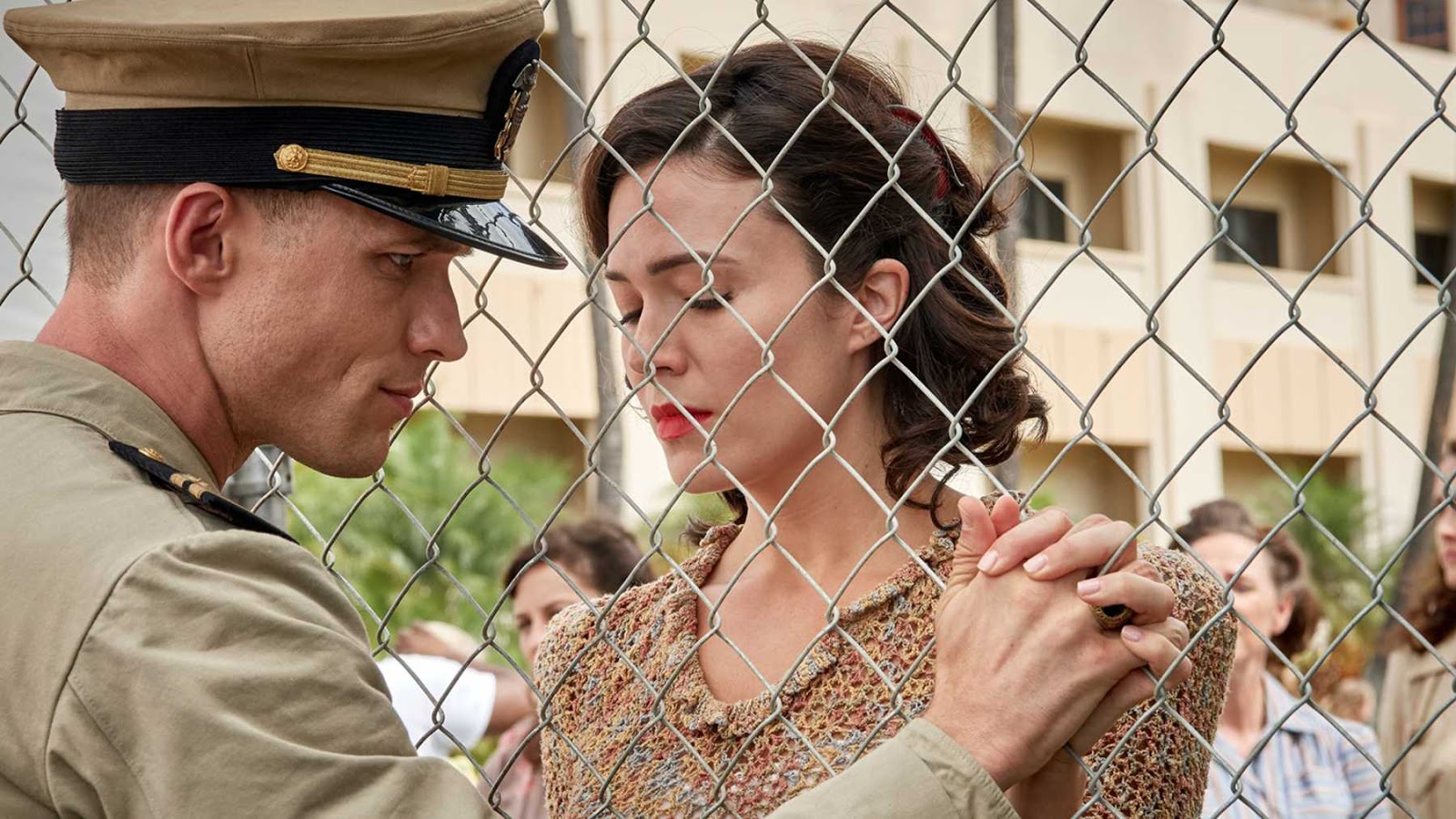
      One of the films key elements that makes it work is the performances from its main cast. Keeping the tradition of classic war movies by establishing a strong cast as well as the typical Roland Emmerich disaster flick, which carries with them an endless cast of talented actors, Midway proves to be no different than either type of film and has performances that range from being solid to strong for the most part. The older actors in the film perform much better than the younger ones with Woody Harrelson and Dennis Quaid delivering the best performances next to Patrick Wilson as the young intelligence officer Edwin Layton, who tried to warn others about Pearl Harbor before it happened. Woody Harrelson shines as Chester W. Nimitz, commander of the U.S Pacific Fleet who takes the information of Wilson's character to heart. Luke Evans does well playing Lieutenant Commander Wade McClusky, who leads the crucial aeriel attack that led to the sinking of two Japanese fleet carriers in the films climactic Midway battle sequence. Dennis Quaid commands the screen as vice admiral Halsey with the audience admiring his characters persistence in leading his men despite the revealing health issues with his character. As far as the performances of the young actors go, Ed Skrein impresses in the role of playing Dick Best, dive bomber pilot and squadron commander in the United States Navy during World War ll. Skrein does well in showing the courage and smart decision making, that his character conveys, which helped lead the Americans to victory in the battle of Midway. Mandy Moore gives a notable performance as Ann Best, wife of Dick Best, whose both supportive and fearful of her husbands decision. Luke Kleinyank and Keean Johnson deliver strong performances as young pilots Clarence Dickinson and James Murray. On the Japanese side of the story, Etsushi Toyokawa does well playing Admiral Yamomoto, commander-in-chief during the early years of the Pacific War as well as overseeing the attack on Pearl Harbor with Tadanobu Asano delivering an equally effective performance as Admiral Tamon Yamaguchi, who led a fierce campaign against the American fleet during Midway, along with ultimately choosing to go down with his ship when defeated. In terms of the films performances, the cast as a whole deliver strong performances with it being evident that they're paying tribute to their real-life counterparts. Even Aaron Eckhart shines in his minimal role as Lt. Jimmy Doolittle with the film showing his character leading the Doolittle Raid along with his characters realization of the aftermath of their mission with the Chinese allies forces being constantly bombed and slaughtered by the Japanese for helping the Americans during the war. The performances along with Emmerich's directing, are what make the film ultimately an honorable tribute to those who fought and died during the Battle of Midway.


      In the directing category, Roland Emmerich demonstrates both respect and admiration for the films subject matter with him delivering his strongest directorial effort since The Patriot. Emmerich presents both sides of the war and does so with respect and determination towards showing the events that led up to the Battle of Midway, giving both parties involved in the Battle of the Pacific an equal balance much like what was shown in Tora Tora Tora. Given that Emmerich is a fan of 1970's Cinema, he shapes and molds his war film to feel like a movie that could've fit in well during that era combined with the technology of Michael Bay's epic blockbuster. Emmerich succeeds in creating aeriel battle sequences, that are both impressive and compelling to watch with strong visual and sound effects. The films cinematography is grand along with the art-set decoration, and costume design giving the film a 1940's feel along with making the battle sequences stunning to watch, particularly the attack on Pearl Harbor and Midway's epic battle. Given the films 138 minute running time, Emmerich keeps the story moving with a steady hand in regards to the films pacing. He blends intense action sequences with moments where the audience is brought up to speed with the status of the war through the action of the main characters, as well as the dialogue providing the information necessary to move the story along. Whereas The Patriot glorified American patriotism and largely fictionalized events in it's story, particularly the main character with the film making him out to be a William Wallace type character in Braveheart, as well as the concept of black slaves on his plantation working for free, Emmerich sticks to the facts in regards to telling the story of Midway and chooses to give an honest portrait of courage, true heroism, and the use of one's intelligence which led to one of the greatest surprise comebacks in military history. Emmerich here is about paying respect to the past and he does so with sincerity, heart, and a desire to be both informative for young audiences, as well as delivering solid popcorn entertainment in the process. In those regards, he succeeds though he's no Steven Spielberg when it comes to making a war movie as incredible as Saving Private Ryan or Christopher Nolan in terms of making a well-crafted piece of filmmaking such as Dunkirk, which blends both technology and top notch storytelling together. What helps Emmerich here is the fact that he has a strong and compelling story to work off along with an all-star cast, who each add something to the film with the characters they play. The director whose track record suggests him to be either a hit or miss director in terms of making satisfying and largely unsatisfying films, appears to be at his best when handling stories, that revolve around the themes of patriotism and sacrifice, as evidenced by the films solid script.


      The films screenplay by Wes Tooke is strong and chooses to lay out the events leading up to the Battle of Midway with the script giving a well-balanced side of both the American and Japanese military forces trying to outsmart the other in regards to winning the war. While the film does a very good job of showing the events leading up to Midway, the pacing and story suffers from feeling crammed together with the story beginning with the attack on Pearl Harbor along with shifting to the Doolittle Raid, then reverting back to Midway. Those are the three main events that the film focuses it's narrative on while placing character development second. Unlike Bay's Pearl Harbor which puts the history secondary to the romance, Emmerich and Tooke keep Midway front and center in their story, with the characters having moments where they receive sizable development. The characters on the American side of the story, that receive the most development are Dick Best with him struggling to lead his squadron in bombing attacks on the Japanese carriers, while struggling with the realization that he may not come home to his family. Wilson's character is also given a large amount of depth with him struggling to uncover the Japanese next move in terms of striking Midway, with his frustration being visible in regards to the lack of seriousness his warnings about the attack on Pearl Harbor was given prior. Dennis Quaid character is shown to be fighting health issues despite choosing to lead his men to victory, and Harrelson's character being eagar to beat the Japanese at their own game, along with allowing Wilson's character a chance to prove himself to Washington. The Japanese admirals Yamomoto and Yamaguchi are explored with both men attempting to attack the American carriers unexpectedly, while slowly expressing doubts and facing the realization that for the first time, Japan could lose against an enemy. Unlike the criticisms aimed at the film which accuse it of being short on character development, Midway has moments where it attempts to flesh out it's large ensemble of characters, but it always stays focused on the bigger narrative of the story, which is the films climactic battle sequence. Tookes script is well-written in a way which steadily builds up the tension on both sides leading up to Midway with both the American and Japanese forces knowing very well that their chances of winning the overall war depend on the success of Midway. Emmerich and Tooke do a fine job of keeping the story focused and keeping the audience engaged in the overall narrative of the story with characters they can care about while even empathizing with the opposite side. The development of the younger characters may not be as in-depth as their older counterparts, but it's effective enough to make the audience root for their survival and victory.


     Midway is not a perfect war film as it suffers from minor faults, but the overall work succeeds and thrives from an entertainment standpoint, as well as honoring those who fought in the Battle of Midway along with those involved in the events leading up to it (The Doolittle Raid for example). Given that the film is handled by Roland Emmerich, he remains surprisingly mature and approaches the subject matter in both a serious and dedicated fashion to telling this story. While his work here won't win him any award nominations, Emmerich shows that if one gives him material that's historically based and demands accuracy, he is ultimately capable of pulling it off and delivering a reasonably solid film. For everything that Michael Bays film gets wrong in regards to presenting a film worthy of paying respect to it's history subject, Midway gets right and does it better with virtually the same intentions. It doesn't try to deter away from the subject of Midway by focusing on a love story, rather the film keeps everything simple and focuses on the two sides of the battle, which became a significant turning point in the war. With solid acting from a strong cast, steady directing and strong writing with some impressive CGI, Midway succeeds in presenting a modern version of the Battle of Midway, while showing the stakes and the faces of those involved. It's as honorable of a film as one can ask in showing the brotherhood, the courage, the strength, and sacrifice that went into achieving a victory that became a significant turning point in WWll, along with showing the intelligence that went into outsmarting the opponent. Given what this film could've ended up as if it didn't have the care and sincerity that the filmmakers give the story, Midway proves to be a solid homage to those who fought for a better future, while portraying both sides as being human.

Final Verdict: For history buffs as well as those looking for an entertaining war flick, Midway is worth watching as it both entertains and respects the story it's telling.